
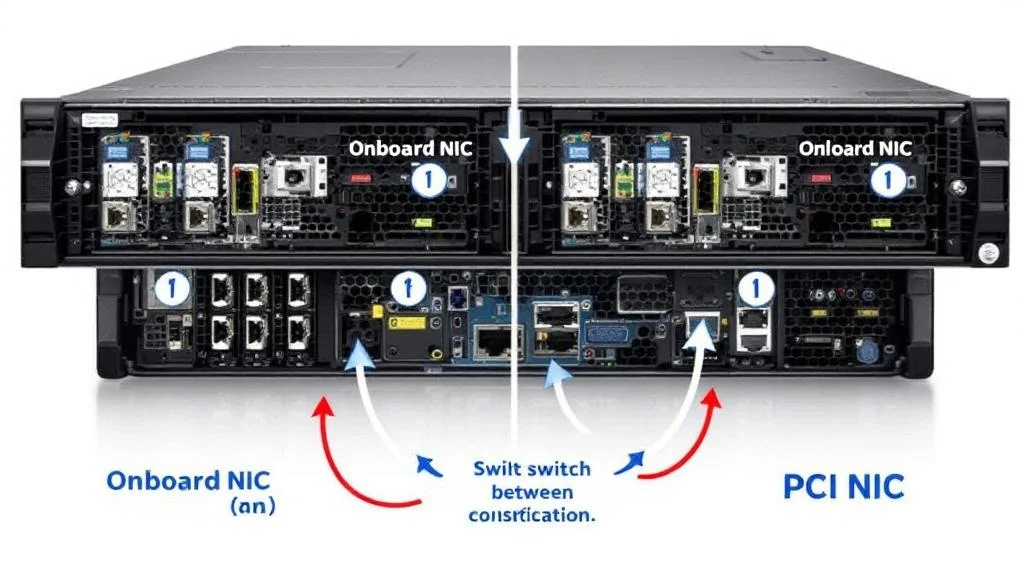
What is Proxmox and How to Switch from Onboard NIC to PCI NIC? A Complete Guide
Proxmox is a powerful open-source virtualization platform that allows users to efficiently manage virtual machines and containers. If you’re looking to enhance network performance, understanding how to switch from an onboard NIC to a PCI NIC in Proxmox is crucial. This guide will walk you through the entire process, ensuring optimal connectivity and performance. By effectively upgrading your network interface, you can leverage the full potential of Proxmox’s capabilities.
- Understanding Proxmox VE
- Why Switch from Onboard NIC to PCI NIC?
- Preparing for the Switch
- Installing the PCI NIC
- Configuring the PCI NIC in Proxmox
- Testing Network Connectivity
- Performance Optimization Tips
- Conclusion
Understanding Proxmox VE
Overview of Proxmox Virtual Environment (VE)
Proxmox Virtual Environment (VE) is an open-source server virtualization management solution that enables the deployment and management of virtualized environments. It supports both KVM for full virtualization and LXC for container-based virtualization, offering flexibility and efficiency. (See: Proxmox VE Wikipedia.)
Key Features and Benefits of Using Proxmox
Proxmox VE is renowned for its robust feature set, including a user-friendly web interface, integrated backup solutions, and support for clustering. According to a 2025 industry report, “Proxmox VE has been adopted by over 100,000 users worldwide, making it a trusted solution for enterprises and small businesses alike.” The platform’s scalability and comprehensive support for various storage types make it a preferred choice for virtualization. (See: Proxmox Official Website.)
Why Switch from Onboard NIC to PCI NIC?
Advantages of Using a PCI NIC Over an Onboard NIC
PCI NICs often provide superior performance compared to onboard NICs due to their dedicated processing resources and advanced features. They can handle higher data throughput, offer better reliability, and support advanced functionalities like VLAN tagging and network bonding. (See: DigitalOcean Tutorial on Proxmox Networking.)
Common Scenarios for Upgrading NICs in Proxmox
Upgrading from an onboard NIC to a PCI NIC in Proxmox is a common practice in scenarios where increased network speed, reduced latency, and enhanced reliability are required. “As one practitioner put it, ‘Switching to a PCI NIC in Proxmox can drastically improve virtual network performance, especially in high-demand environments.’”
Preparing for the Switch
Checking Compatibility of PCI NIC with Proxmox
Before proceeding with the switch, ensure that the PCI NIC is compatible with your Proxmox setup. Review the hardware compatibility list provided by Proxmox and verify that the NIC supports your server’s specifications and Proxmox’s network configuration requirements.
Gathering Necessary Tools and Resources for Installation
To successfully install a PCI NIC, you’ll need a screwdriver, anti-static wrist strap, and access to your server’s interior. Additionally, download the latest drivers and ensure your Proxmox server is updated to support new hardware installations.
Installing the PCI NIC
Step-by-Step Guide to Physically Installing the PCI NIC
To install the PCI NIC, first power down your server and disconnect all cables. Open the server chassis and locate an available PCI slot. Carefully insert the PCI NIC into the slot, ensuring it is firmly seated. Secure the card with a screw and close the chassis.
Ensuring Proper Seating and Connections
After installation, double-check that the PCI NIC is properly seated in the slot and that all connections are secure. Reconnect all cables and power up the server. This step is crucial to avoid any connectivity issues later in the process.
Configuring the PCI NIC in Proxmox
Accessing Proxmox Web Interface for Network Configuration
Once the hardware is installed, access the Proxmox web interface. Navigate to the networking section to start the configuration process. This interface allows you to manage network settings and assign the new PCI NIC to your virtual machines or containers.
Assigning the New PCI NIC to the Appropriate Virtual Bridge
In Proxmox, create or modify a virtual bridge and assign the new PCI NIC to it. This step integrates the NIC into your network topology, enabling communication between virtual and physical networks. Make sure to update any existing configurations to utilize the new NIC.
Testing Network Connectivity
Verifying the PCI NIC Functionality Within Proxmox
After configuration, it’s essential to test the PCI NIC’s functionality. Perform connectivity tests by pinging external servers and checking the network performance of your virtual machines. These tests help confirm that the new NIC is operational and correctly configured.
Troubleshooting Common Issues with NIC Configurations
Should you encounter issues, such as no connectivity or dropped packets, troubleshoot by checking cable connections, reviewing network settings in Proxmox, and ensuring the PCI NIC’s drivers are up-to-date. Effective troubleshooting of NIC issues is vital for maintaining network stability.
Performance Optimization Tips
Best Practices for Optimizing Network Performance in Proxmox
To optimize network performance, consider enabling jumbo frames, using link aggregation, and configuring Quality of Service (QoS) settings. These practices can significantly enhance data flow and reduce bottlenecks, ensuring your Proxmox VE operates efficiently.
Monitoring Network Traffic and Performance Metrics
Regularly monitor network traffic using Proxmox’s built-in tools or third-party solutions. Tracking performance metrics helps identify potential issues and provides insights into network optimization Proxmox opportunities, allowing for proactive management and adjustments.
Conclusion
Switching from an onboard NIC to a PCI NIC in Proxmox is a strategic upgrade that can enhance your network’s performance and reliability. By following this guide, you have learned how to prepare, install, configure, and test the new NIC. As you continue to explore Proxmox’s capabilities, consider additional enhancements to further optimize your virtualization environment. Stay informed about the latest developments and best practices in Proxmox VE performance to ensure your infrastructure remains robust and efficient.
For those eager to delve deeper into Proxmox and its myriad capabilities, we encourage you to continue exploring advanced configurations and optimizations. Your journey in mastering Proxmox is just beginning, and the potential improvements are well worth the effort.
Frequently Asked Questions
What is Proxmox and why would I switch from onboard NIC to PCI NIC?
Proxmox is an open-source virtualization management platform. Switching from an onboard NIC to a PCI NIC can improve network performance, provide better compatibility with specific hardware, and allow for greater flexibility in network configurations.
What steps do I need to take to switch my NIC in Proxmox?
To switch your NIC, first install the PCI NIC into your server, then access the Proxmox web interface. From there, navigate to the ‘Datacenter’ and select the VM or container you want to modify, and update the network settings to reflect the new PCI NIC.
Will I lose connectivity during the NIC switch in Proxmox?
Yes, there may be a brief loss of connectivity during the NIC switch. It’s recommended to perform this operation during a maintenance window or when downtime is acceptable.
How can I verify that my PCI NIC is recognized by Proxmox?
You can verify that your PCI NIC is recognized by logging into the Proxmox web interface and checking the ‘Network’ section, or by using the command line with ‘lspci’ to see the list of all PCI devices.
What if my PCI NIC is not functioning properly after the switch?
If your PCI NIC is not functioning properly, check the physical connections, ensure the correct drivers are installed, and verify that the network settings in Proxmox are configured correctly for the new NIC.
Leave a Reply