
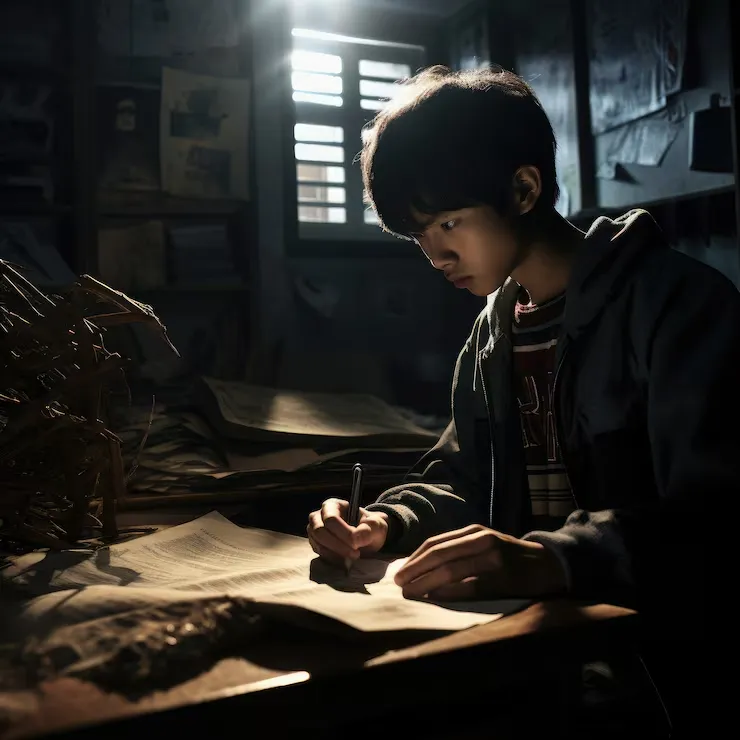
Ultimate Guide to MyHaiku: Unleash Your Inner Poet
Haikus are a captivating form of Japanese poetry known for their brevity and depth. As more individuals discover the charm of these three-line verses, platforms like MyHaiku have emerged, offering tools and communities for enthusiasts and beginners alike. Whether you’re looking to create, share, or learn about haikus, this guide will navigate you through everything MyHaiku has to offer. From understanding the essence of haikus to exploring the features of the MyHaiku platform, this comprehensive guide covers it all.
What is a Haiku?
Historical Context and Origins
A haiku is a traditional form of Japanese poetry that typically consists of three lines following a 5-7-5 syllable pattern. Originating in the 17th century, haikus focus on simplicity and the beauty of nature, often capturing fleeting moments with vivid imagery. Renowned poets like Matsuo Bashō have elevated haikus to an art form, influencing both Japanese and global literary landscapes.
How to Write a Haiku
Basic Structure and Rules
Writing a haiku involves adhering to a specific structure: three lines with a syllable pattern of 5-7-5. The first line contains five syllables, the second seven, and the third five. Although traditional haikus often emphasize nature and seasons, contemporary versions can explore a wide range of themes.
Step-by-Step Writing Process
- Choose a Theme: Identify a moment or feeling you wish to capture, often inspired by nature or human emotion.
- Draft Imagery: Use sensory details to paint a vivid picture. Focus on simplicity and clarity.
- Adhere to Structure: Refine your words to fit the 5-7-5 syllable count, ensuring each line contributes to the overall image.
- Revise and Reflect: Read aloud and adjust for rhythm and resonance. Consider the emotional impact of your haiku.
Exploring Themes in Haiku Poetry
Nature and Seasonality
Nature is a dominant theme in haiku poetry. Seasonal changes and natural elements often serve as metaphors for human experiences, reflecting the transient beauty of life. Haikus about cherry blossoms, autumn leaves, or tranquil lakes are common examples.
Emotions and Human Experience
Beyond nature, haikus can delve into the spectrum of human emotions. Joy, sorrow, love, and introspection are encapsulated in concise verses, offering profound insights into the human condition.
MyHaiku Platform: Features and Benefits
Writing Tools and Resources
MyHaiku provides a robust suite of tools designed to enhance your haiku crafting experience. Features include a haiku editor for real-time syllable counting, AI-generated haikus for inspiration, and detailed tutorials on haiku composition.
Community Engagement and Sharing
The platform fosters a vibrant community where users can share their work, participate in competitions, and engage with fellow haiku enthusiasts. Collaborative features allow poets to receive feedback and improve their craft in a supportive environment.
Advanced Tips for Haiku Writing
Avoiding Common Mistakes
- Overcomplicating Imagery: Keep descriptions simple yet evocative to maintain clarity.
- Ignoring Syllable Count: Adhering to the 5-7-5 rule is crucial in traditional haikus.
Enhancing Creativity
Experiment with different themes and structures. While traditional haikus follow strict rules, modern adaptations allow for creative freedom. Consider writing haikus inspired by urban environments or social media trends.
Conclusion: The Joy of Haiku Writing
Embracing the art of haiku writing through platforms like MyHaiku offers both a creative outlet and a means of connecting with a global community. By understanding the nuances of haiku poetry and utilizing the features of the MyHaiku platform, you can refine your skills and share your unique voice with others. Whether you’re a seasoned poet or a curious beginner, the world of haikus awaits your exploration.
Frequently Asked Questions
- What is a haiku? A haiku is a form of Japanese poetry consisting of three lines with a 5-7-5 syllable pattern, often focusing on nature or emotions.
- How do I write a haiku? Choose a theme, draft vivid imagery, adhere to the 5-7-5 structure, and revise for emotional impact.
- Can haikus be longer than 17 syllables? Traditionally, no. However, modern haikus sometimes experiment with structure for creative expression.
- What is the MyHaiku platform? MyHaiku is a digital platform providing tools and community features for creating and sharing haikus.
- Are there haiku competitions on MyHaiku? Yes, MyHaiku hosts competitions that encourage creative expression and community engagement.
- How can haikus be used in education? Haikus are excellent for teaching language skills, fostering creativity, and encouraging concise expression.
- What themes are common in haiku poetry? Common themes include nature, seasons, emotions, and human experiences.
Leave a Reply