
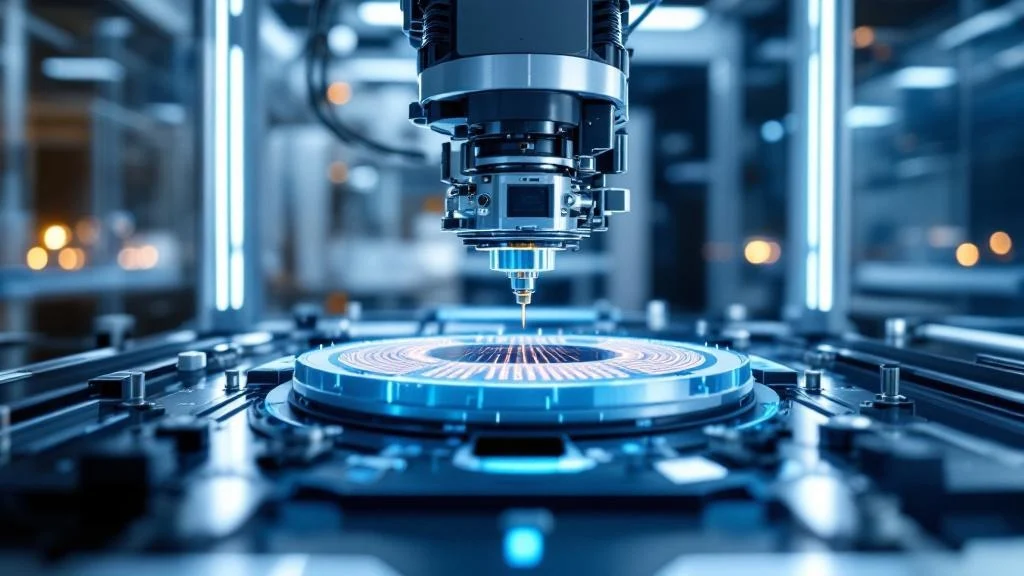
How Does Vacuum Operated Semiconductor Wafer Robot Work
Vacuum operated semiconductor wafer robots are pivotal in the realm of semiconductor fabrication, playing an essential role in the manufacturing of microelectronics. These advanced robotic systems ensure precision and efficiency throughout the production process. This article delves into the intricacies of how these robots operate, their critical components, and their significance in Semiconductor Manufacturing. Understanding how does vacuum operated semiconductor wafer robot works will illuminate their importance in the ever-evolving landscape of microelectronics manufacturing and robotic automation.
- Introduction to Semiconductor Wafer Robotics
- Principles of Vacuum Operation
- Key Components of Vacuum Operated Robots
- The Mechanism of Wafer Handling
- Applications in Semiconductor Manufacturing
- Challenges and Innovations in Wafer Robotics
- Future Trends in Semiconductor Wafer Robotics
- Conclusion
Introduction to Semiconductor Wafer Robotics
Semiconductor wafer robots are sophisticated machines designed to handle wafers during the microelectronics manufacturing process. These robots are integral to the fabrication of semiconductors, serving the purpose of transporting, aligning, and placing wafers with extreme precision. The semiconductor manufacturing process involves numerous stages, including deposition, photolithography, etching, and packaging. Each stage requires meticulous handling of wafers to maintain the integrity and functionality of the final product. As semiconductor devices become more complex, the demand for advanced robotics capable of maintaining high levels of precision and efficiency continues to grow.
Principles of Vacuum Operation
Vacuum technology is a cornerstone in the operation of semiconductor wafer robots. By creating a low-pressure environment, vacuum systems enable robots to securely grip and manipulate wafers without physical contact that could damage or contaminate them. The use of vacuum technology enhances wafer handling by ensuring stability and reducing the risk of slippage. According to a 2025 industry report, the integration of vacuum systems in wafer handling has improved operational efficiency by 30% in semiconductor fabrication facilities. This efficiency gain is crucial as it translates into higher throughput and reduced production costs. (See: National Institute of Standards and Technology.)
Key Components of Vacuum Operated Robots
At the heart of vacuum operated robots are several critical components. Vacuum grippers are perhaps the most important, as they facilitate the non-contact handling of wafers. These grippers use suction to lift and move wafers, ensuring precision and preventing damage. Additionally, sensors and control systems play a vital role in wafer robots, providing feedback and enabling precise movements. These systems ensure that the robots can adjust their operations in real-time, maintaining the high standards required in microelectronics manufacturing. (See: Wafer World.)
The Mechanism of Wafer Handling
The process of wafer handling in semiconductor robotics involves several key steps. Firstly, the robot identifies the wafer’s position using advanced sensors. It then initiates the pick-and-place process, where the vacuum gripper gently lifts the wafer. The robot aligns the wafer precisely before placing it in the desired location, ensuring that each step of the manufacturing process is executed flawlessly. Precision in wafer alignment is crucial, as even the slightest misalignment can lead to defects and reduced yield.
Applications in Semiconductor Manufacturing
Vacuum operated robots are indispensable in several semiconductor manufacturing processes, particularly in photolithography and etching. During photolithography, these robots ensure that wafers are accurately positioned for patterning, which is critical for device functionality. In the etching process, the precise handling of wafers is essential to achieve the desired features on the semiconductor material. The impact of these robots on yield and efficiency is significant; they help minimize defects and maximize throughput, making them a valuable asset in industrial robots used for semiconductor fabrication.
Challenges and Innovations in Wafer Robotics
Despite their advantages, vacuum operated wafer robots face several challenges. Contamination control is a major concern, as even minor impurities can lead to significant defects. Additionally, maintaining consistent performance in various environmental conditions is crucial. However, recent advancements in technology and design have addressed many of these challenges. Innovations such as improved sensor technology and enhanced vacuum systems have led to more robust and reliable wafer handling systems. As one practitioner put it, “The evolution of semiconductor robotics is driven by the need for greater precision and adaptability in ever-changing manufacturing environments.”
Future Trends in Semiconductor Wafer Robotics
Looking ahead, the future of semiconductor wafer robotics is poised for exciting developments. Automation in semiconductor manufacturing is expected to increase, with robots taking on more complex tasks. Artificial intelligence is set to play a pivotal role, enabling robots to learn and adapt to new challenges, further enhancing their efficiency and precision. As semiconductor devices become more intricate, the demand for advanced robotics and precision engineering will continue to grow, driving innovations that will shape the future of microelectronics manufacturing.
Conclusion
In summary, vacuum operated semiconductor wafer robots are essential components of modern semiconductor fabrication. Their ability to handle wafers with precision and efficiency makes them indispensable in the production of microelectronics. As the industry continues to evolve, these robots will play a crucial role in advancing the capabilities of semiconductor manufacturing. The integration of artificial intelligence and ongoing innovations promise to enhance their functionality further. For those involved in the semiconductor industry, staying informed about these advancements is key to maintaining a competitive edge. As we look to the future, the significance of vacuum operated robots in shaping the landscape of semiconductor technology cannot be overstated. To learn more about the latest developments in advanced robotics, subscribe to World Mag for comprehensive insights and updates.
Frequently Asked Questions
What is a vacuum operated semiconductor wafer robot?
A vacuum operated semiconductor wafer robot is a specialized robotic system designed to handle and transport semiconductor wafers in a cleanroom environment. It utilizes vacuum technology to securely grip and move wafers without contaminating them.
How does the vacuum system work in these robots?
The vacuum system creates a negative pressure that allows the robot to firmly hold the wafer by suction. This ensures that the wafer remains stable and protected during handling, reducing the risk of damage or contamination.
What are the advantages of using vacuum operated robots in semiconductor manufacturing?
Vacuum operated robots provide precision handling, reduce contamination risks, and improve throughput in semiconductor manufacturing. Their ability to securely grip delicate wafers enhances operational efficiency and product quality.
Are vacuum operated wafer robots customizable?
Yes, vacuum operated wafer robots can be customized to meet specific manufacturing requirements. This includes adjustments in size, suction strength, and integration with other machinery in the production line.
What role do sensors play in vacuum operated semiconductor wafer robots?
Sensors are crucial in vacuum operated wafer robots as they provide real-time feedback on wafer position, grip strength, and environmental conditions. This data helps ensure precise handling and enhances the overall reliability of the robotic system.
Leave a Reply